
The Depot Book
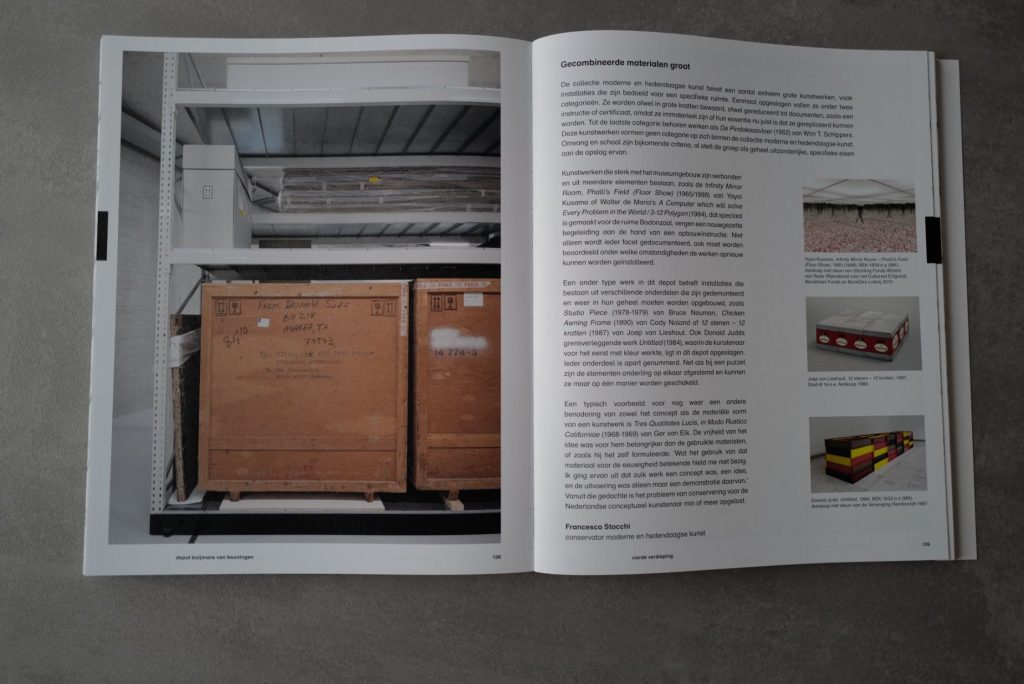
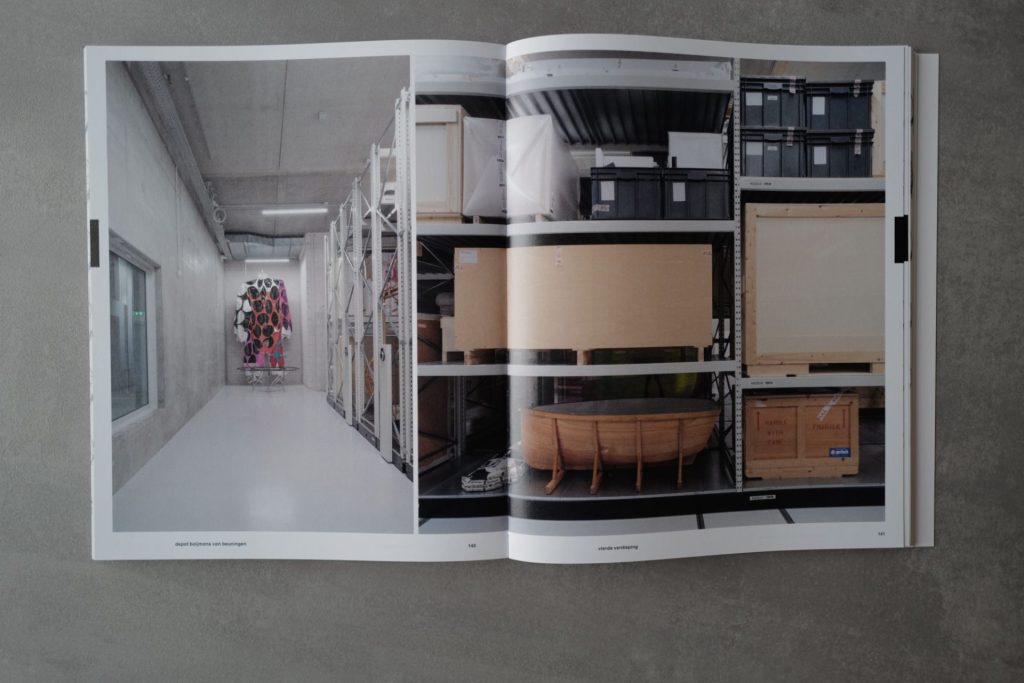
Sabine Terra, publisher at Museum Boijmans Van Beuningen, commissioned us to develop the Depot book: a beautiful tangible story about Depot Boijmans Van Beuningen and its origins, in which the reader travels through this extraordinary building. The book was designed by Joost Bos of Thonik and produced in our print shop.
A new type of museum building
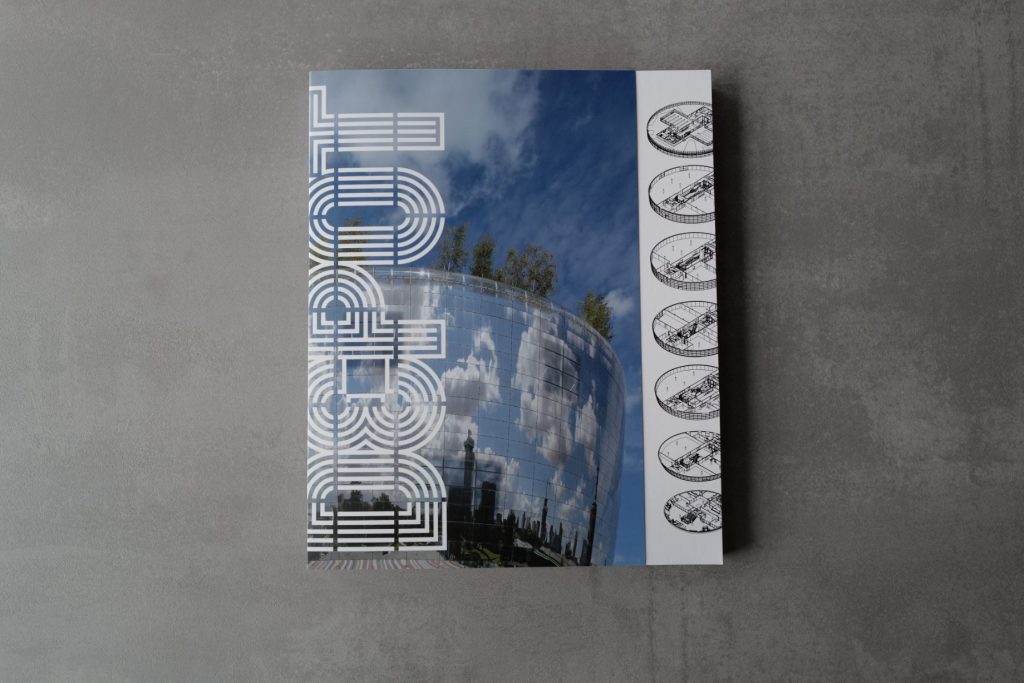
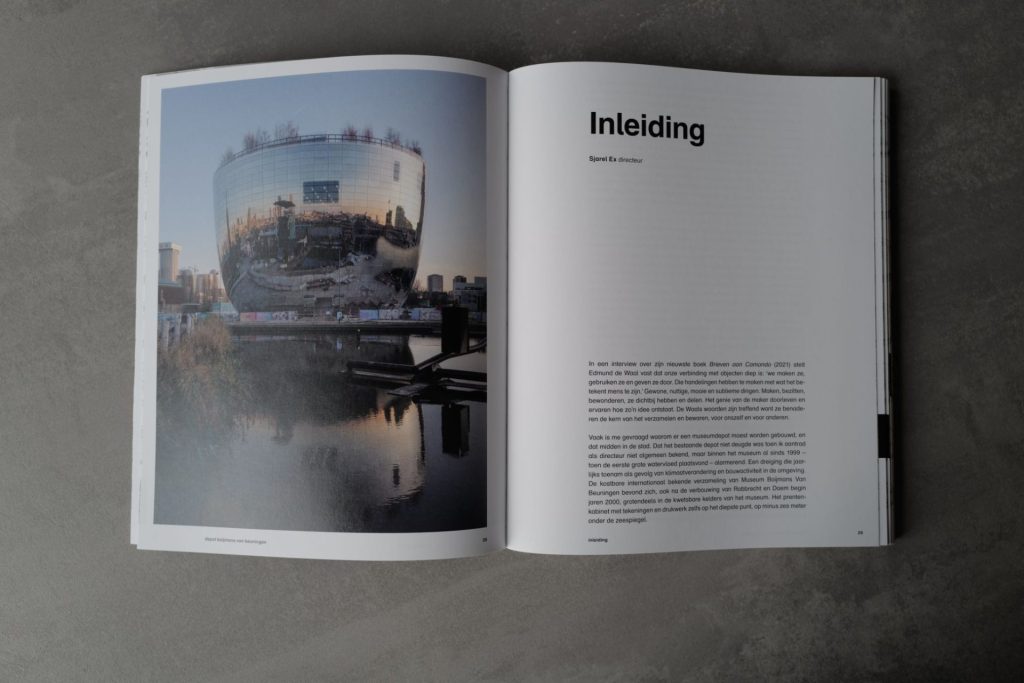
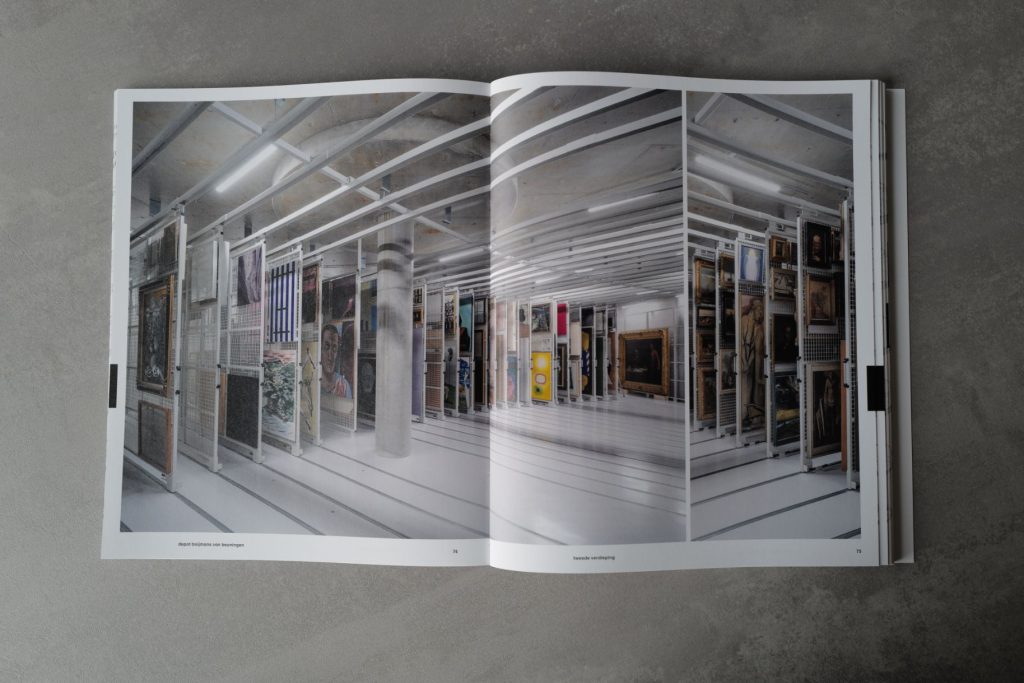
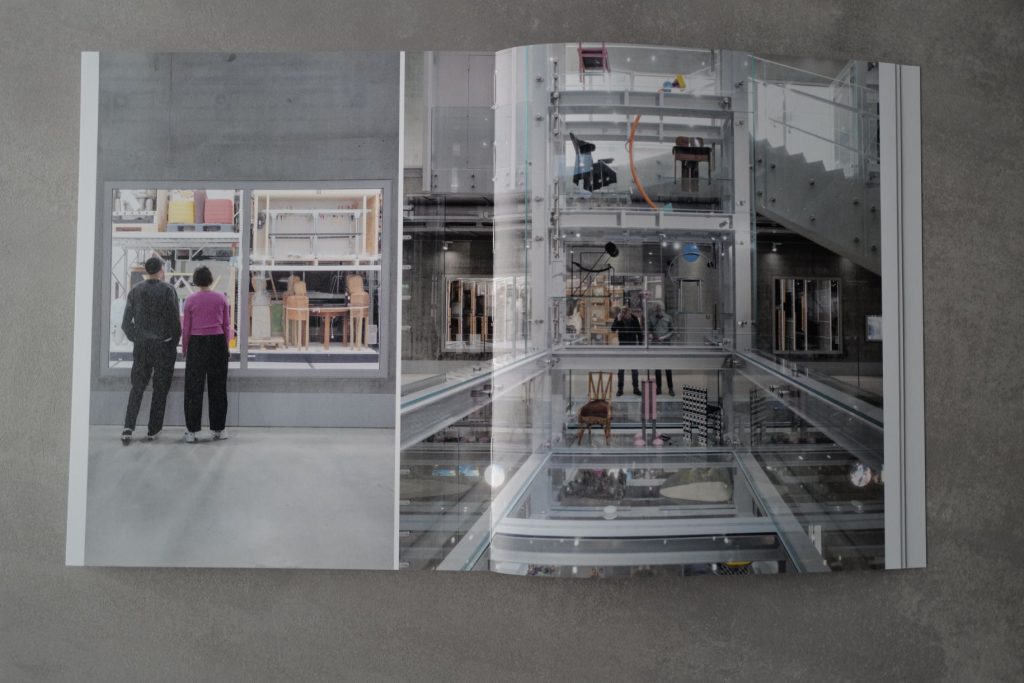
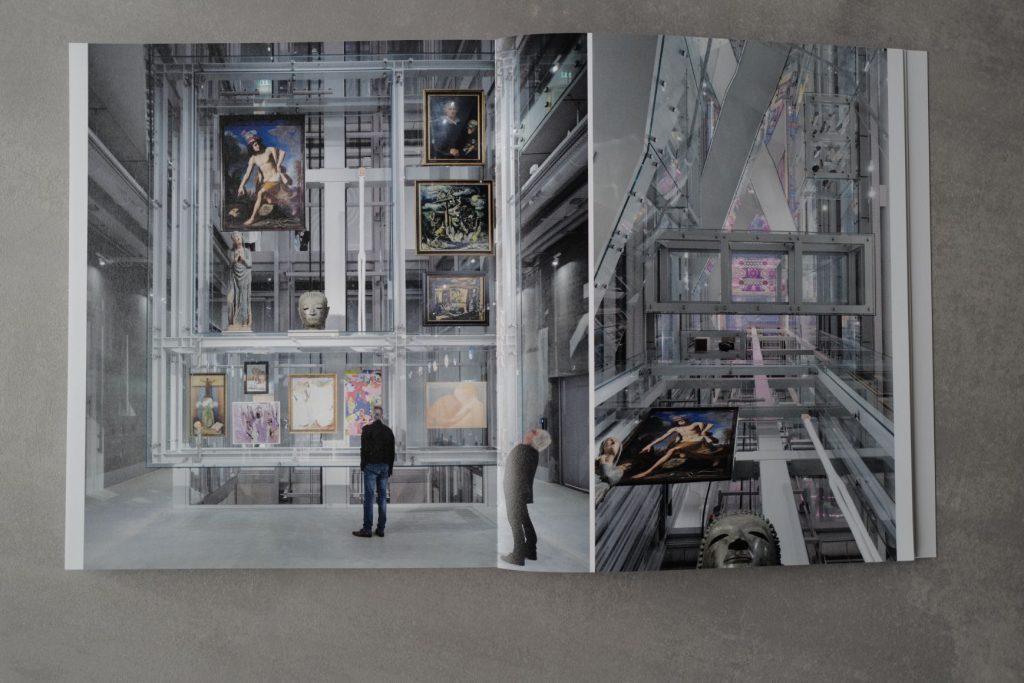
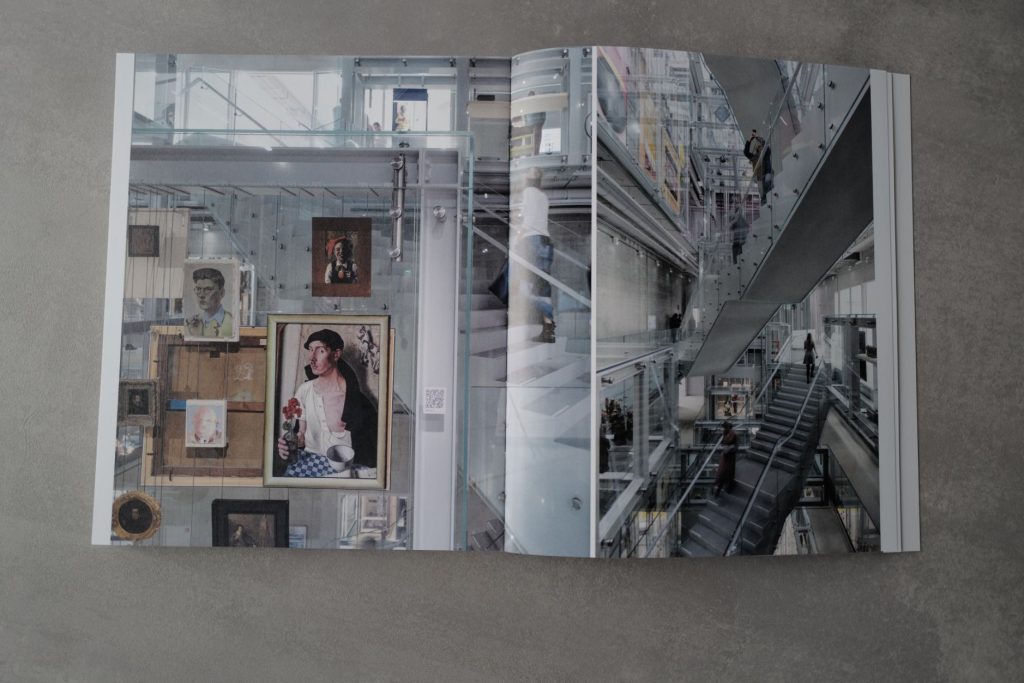
The mirrored bowl-shaped building in Museumpark, located right next to Museum Boijmans Van Beuningen, was designed by Rotterdam-based architects MVRDV. Apart from its beautiful architecture, there is another reason why the depot is receiving worldwide attention. It is the first art depot in the world that is entirely open to the public. Visitors see the result of 170 years of collecting: more than 151,000 objects of visual art and design are housed in fourteen depot rooms and arranged according to material, format and sometimes chronology or geography.
The Depot Book
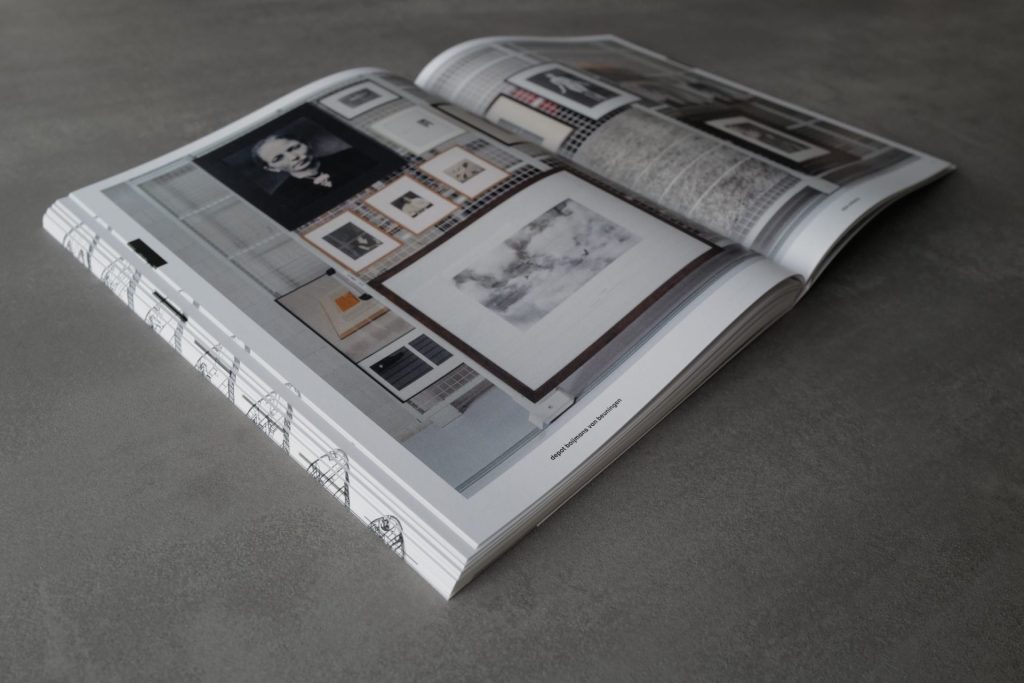
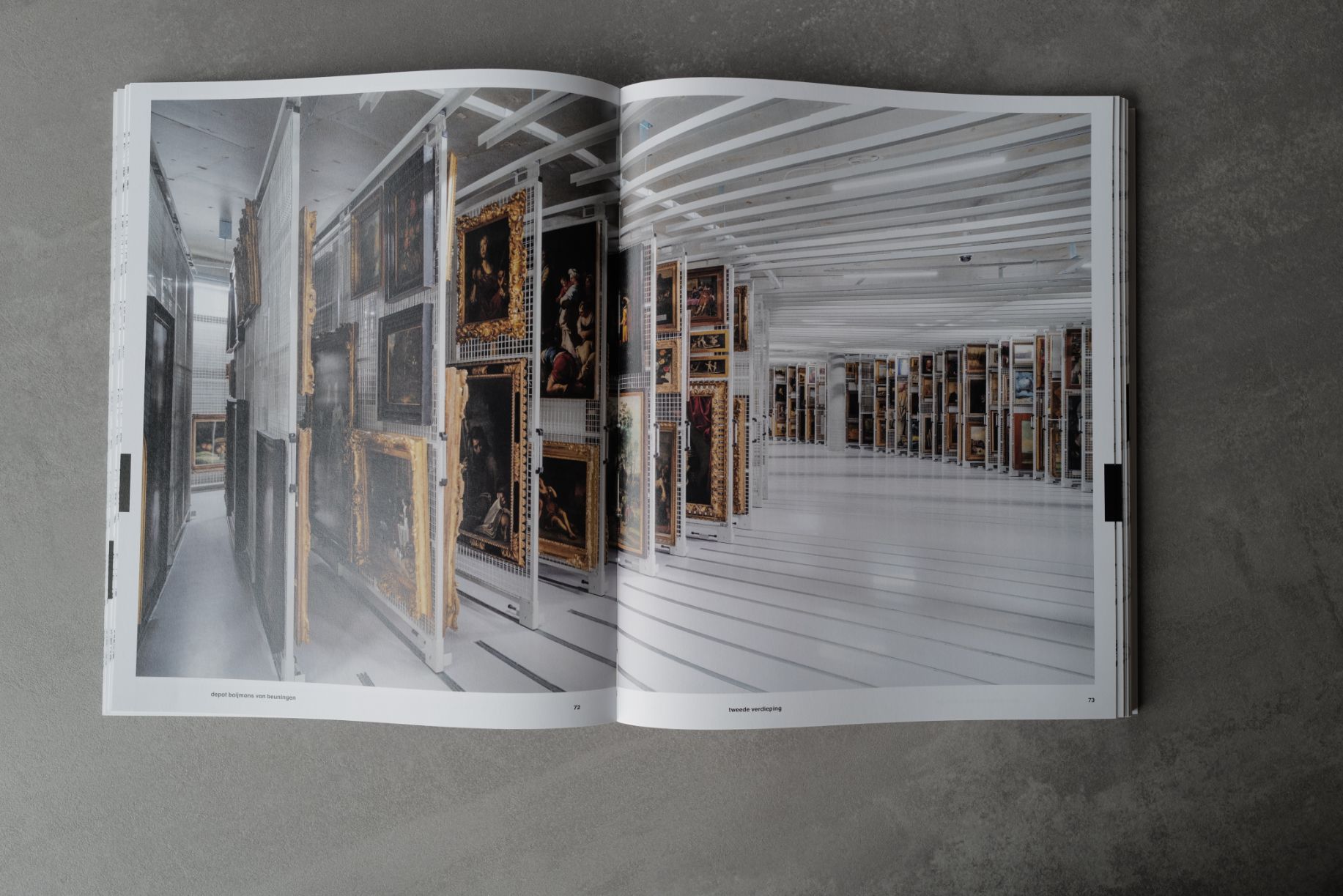
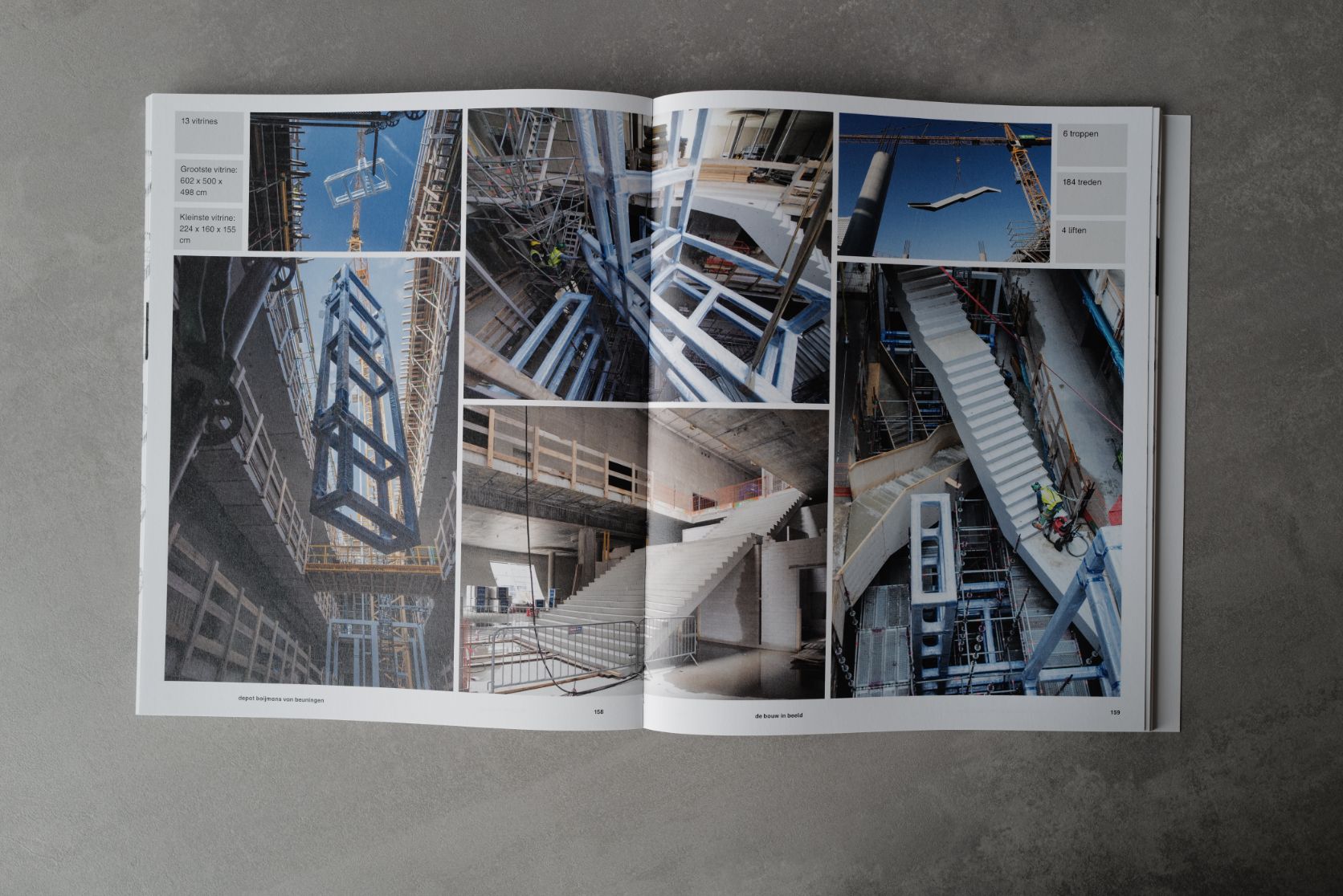
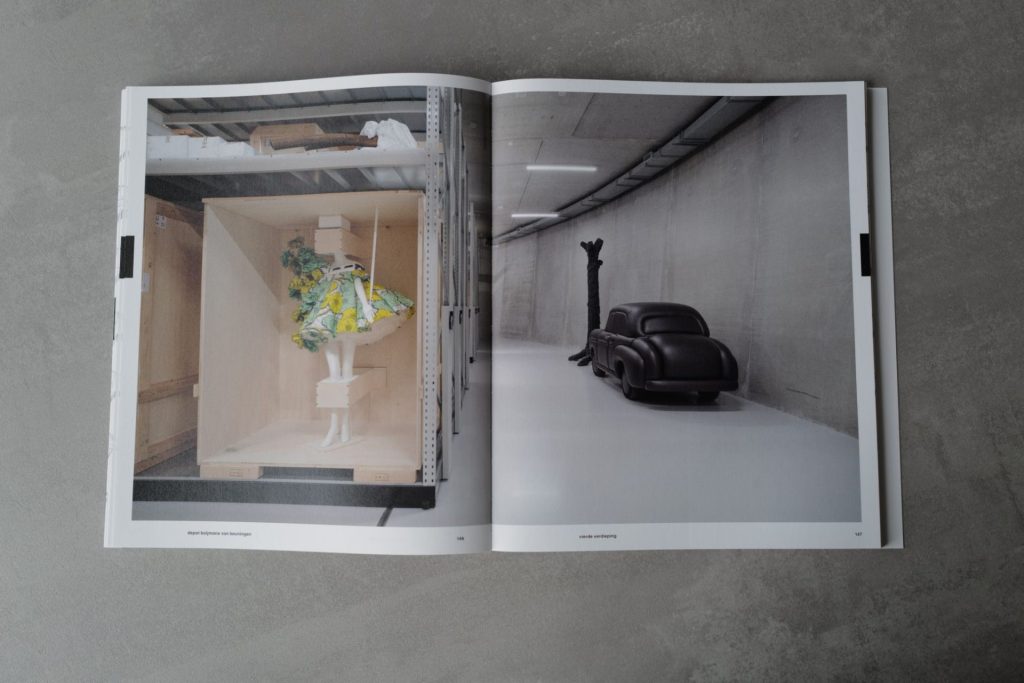
The Depot Book focuses on the origins of the depot and the museum's collection. Readers are taken through all the phases in the realisation of the museum depot, from the very first ideas to the storage of the last work of art in the collection. Using essays, photographs, stories and detailed round-table discussions, the reader makes a complete journey through the building and the collection. During this journey, extensive attention is paid to the storage conditions of the past 172 years and the design and construction process of the building.
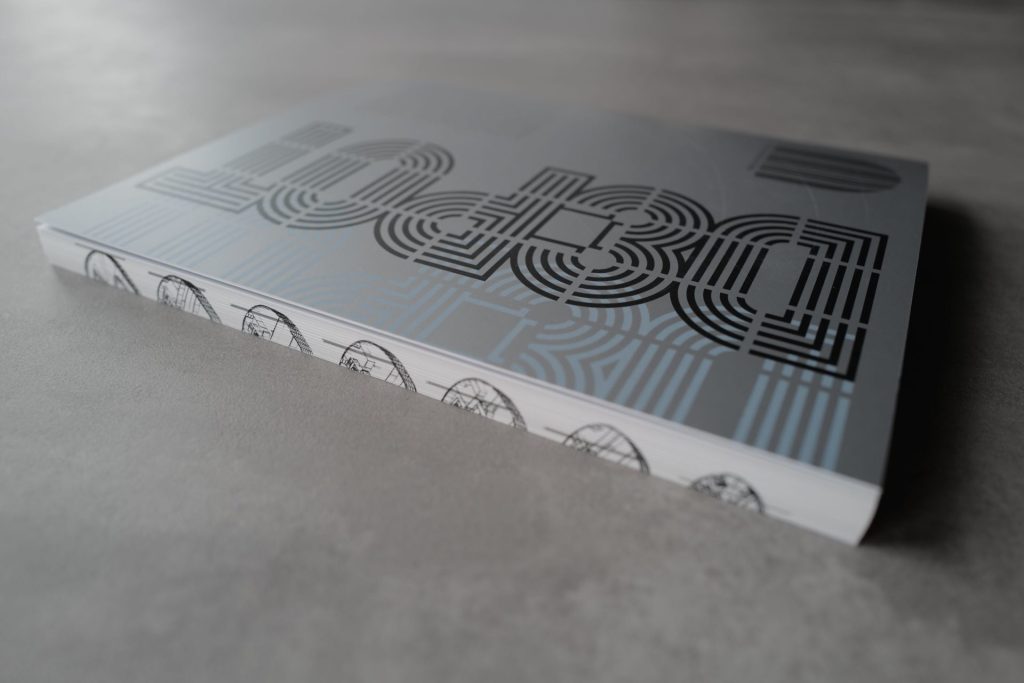
Each drawing shows a floor of the Museum Depot and serves via the cut as a 'tab' for a chapter about the relevant floor. In this way, the book has literally become a guided tour of the entire building.'
A special project
For us, the realisation of the Depot book was a special project. The book tells a unique story and therefore needed an equally unique look.
Graphic designer Joost Bos enthusiastically set to work on developing a concept: “We had received some beautiful ‘exploded-view’ drawings from the architect, and because of the building’s unique appearance, I really wanted to incorporate them into the design. I discussed this idea with NPN|Graphius. That’s how the idea came about to print these drawings on the book’s spine using the pad printing technique.”
This brought with it the necessary challenges. A book has to be thick enough for such a cut, so that the drawings are clearly visible. If the book is too thin, this method does not come out well.
"Because we were already at a fairly advanced stage of the development process, it was no longer possible at that point to add extra content. Moreover, it was not intended that it should become a bulky, thick coffee-table book. In the end, we decided that the architectural drawings would continue from the cover across the page.
Each drawing shows a floor from the museum depot and serves via the cut as a 'tab' for a chapter about the relevant floor. In this way, the book has literally become a guided tour through the entire building.

“Based on my previous collaborations with NPN|Graphius, I’m used to a personal approach. They always stop by to discuss ideas together. That’s how we end up coming up with a great concept together.”
A pleasant cooperation with a unique result
Communication lines were short during this collaboration, and according to Joost, that was a success. “Based on previous collaborations with NPN|Graphius, I’m used to a personal approach. They always stop by to discuss ideas together. That’s how you end up coming up with a great concept together.”
Sabine Terra of Museum Boijmans Van Beuningen also found the collaboration to be a positive experience: “What appealed to me most was the enthusiasm with which our idea was received. I was aware that this was a challenging project. One of those challenges was the pad printing. Of course, this had to turn out just right. We received three proofs to ensure that the line thickness of the drawings was exactly right. NPN|Graphius enthusiastically contributed ideas at every step to ultimately achieve a unique final result. That certainly contributed to the success of this book.”
The Depot Book was created to commemorate the opening of the museum depot last November. There was significant time pressure leading up to this opening. Sabine Terra: “A month before the book was due, I still couldn’t have certain areas of the building photographed because they simply weren’t furnished yet. That, combined with the pad printing process, made the challenge of having the book published in time for the opening too great. Even then, NPN|Graphius was very helpful. We ultimately decided to have a special opening edition printed in a small run. An added bonus is that the final version of the book also includes photos from the opening!”
Technical details
This production is a so-called Otastar binding: With Otabind, you already have maximum flatness in a brocaded book due to the cold glue backing in combination with the so-called "loose spine". Hotmelt and the necessary and unique cold glue glue ensure a firm fixation of the cover to the inside.
The Otastar base is the same as Otabind, but the finishing is different: Otabind's double bead is nicely hidden by a second cover, which is glued to the first Otabind cover with hot-melt. This makes the cover on the back more solid. In addition, Otastar offers the possibility of playing with a double cover, which we also used in this production.